13:05 Off The Grid: How the Crypto Shooter Hits 200K Active Wallets and Changes GameFi | |
|
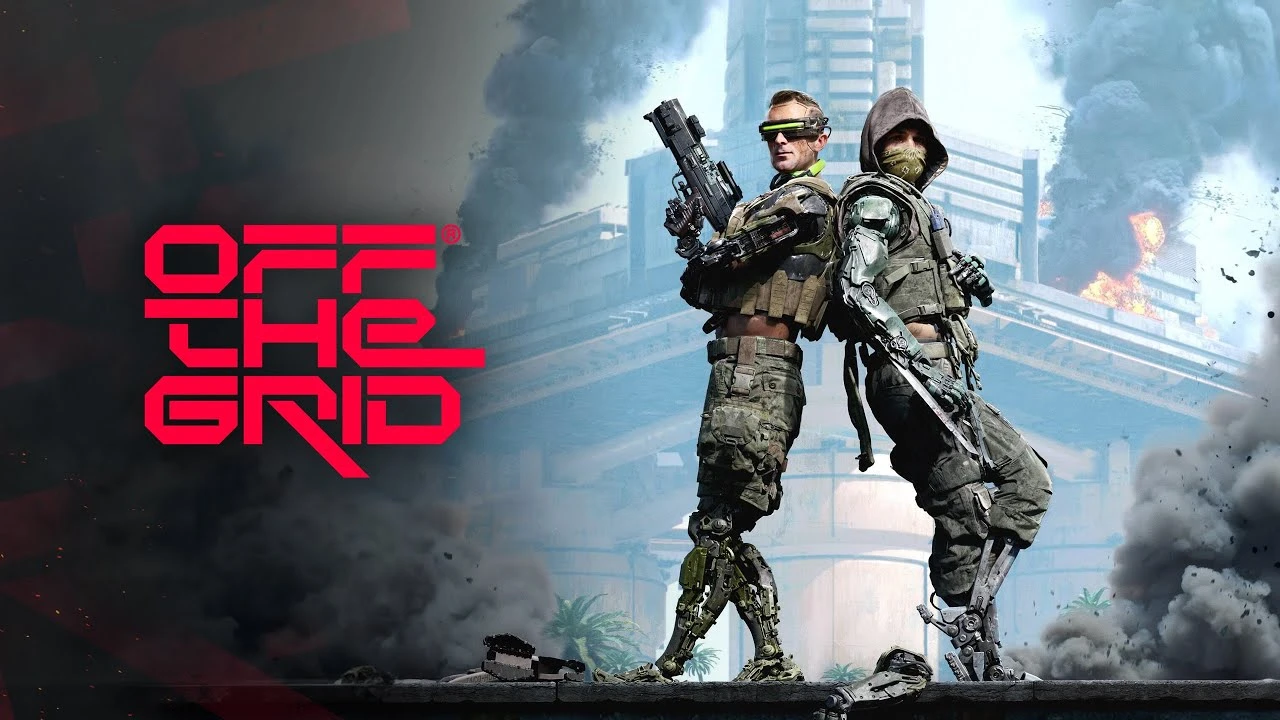
Off The Grid: the Web3 shooter that proved AAA-style GameFi can scaleWant daily, hype-driven GameFi / NFT / TON & Telegram insights in one place? Check our Telegram: TG Earn Review — quick Web3 gaming updates without the fluff. Date context: Feb 7, 2026. The “interesting fact” today is not a single patch note — it’s a milestone pattern: Off The Grid (Gunzilla Games) keeps being cited as one of the rare blockchain games with mainstream-grade gameplay and measurable onchain activity. That combo is what many GameFi projects have promised since 2021 — and very few delivered. What happenedOff The Grid (often shortened to OTG) is a free-to-play cyberpunk battle royale / extraction-style shooter that integrates optional Web3 features via GUNZ, an Avalanche-based gaming L1 (originally described as an Avalanche subnet / L1). The hype is driven by a simple fact: the project has shown real wallet activity at scale during key moments, while still trying to behave like a “normal” AAA game where Web3 is not forced on every player. In public reporting and ecosystem write-ups, OTG’s blockchain layer has been associated with: Important nuance for beginners: a wallet count is not the same as a player count. One player can use multiple wallets, and some activity can be automated. Still, DAUWs are one of the cleanest “Web3-native” signals that a crypto game is actually being used. SignificanceWhy does this matter for GameFi, NFT gaming, and Web3 in 2026?
Mid-article note (and a practical tip): if you track GameFi trends, don’t just watch token price — watch DAUWs, retention, and marketplace velocity. We post these kinds of signals here: follow TG Earn Review for daily GameFi numbers & quick interpretations. Details and FiguresHere are the concrete pieces that keep OTG in “interesting facts” territory:
Why “daily active wallets” became the headline metricIn classic crypto games, the token price often becomes the only storyline. In 2026, that’s not enough. DAUWs and transaction patterns help answer:
If you’re an advanced reader: DAUWs are still imperfect. Combine them with retention cohorts, offchain concurrency (Steam/Epic stats), and item velocity (listings vs. sales) to avoid being fooled by “activity theatre.” ImplicationsIf OTG’s model keeps working, here’s what may follow in the wider Web3 gaming market:
Tips & RecommendationsWhether you’re a player, investor, or builder, here are practical moves:
FAQIs Off The Grid a “true” crypto game if Web3 is optional?Yes — optional Web3 is a design choice. It can actually be healthier for onboarding: the game can attract normal players while still offering ownership/trading for those who want it. Do daily active wallets equal the number of players?No. One player may use multiple wallets, and automated activity can exist. Use DAUWs as a signal, not a direct player count. What makes GUNZ different from “regular” blockchains?It’s positioned as gaming-first infrastructure on Avalanche rails: the goal is to make transactions feel native to gameplay (fees/UX/performance tuned for games). Where does NFT fit into this model?In theory: tradable, ownable in-game items with utility. In practice: always verify whether items have real sinks and demand, not just speculative listings. What should I watch next if I’m tracking the trend?Look for sustained DAUWs after big updates, marketplace sell-through rates, and whether new modes increase retention (not just transactions). Conclusion: Off The Grid’s most “interesting fact” in early 2026 is the proof-of-concept: a Web3 shooter can generate serious onchain activity while still behaving like a mainstream game. If you want more daily facts like this (GameFi, NFT, Web3, TON, Telegram ecosystems), join: subscribe to TG Earn Review — we track the signals behind the hype. | |
|
|
|
| Total comments: 0 | |